
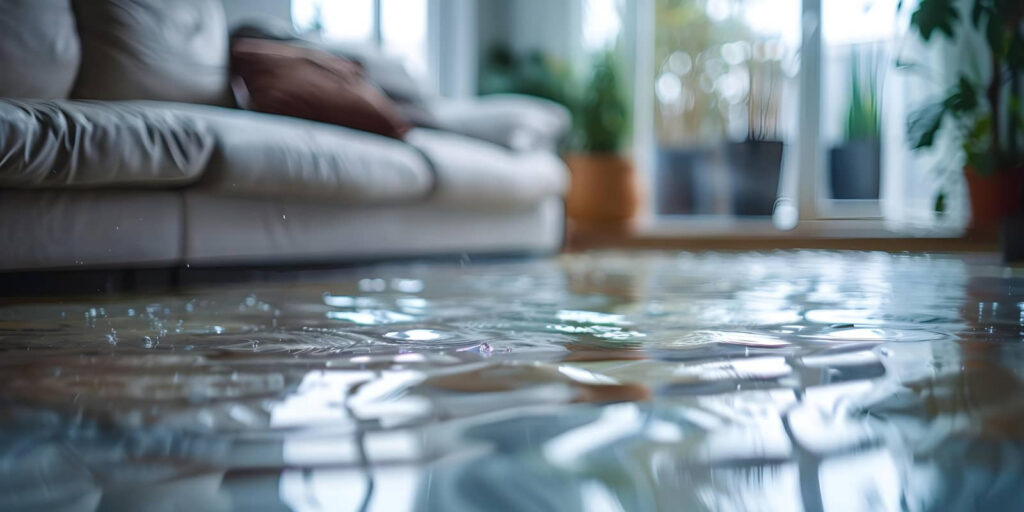
You probably don’t realize that water damage restoration time is driven more by material behavior than by the visible puddle. You may dry a room in days, yet hidden moisture in drywall, insulation, and subfloors can extend the job for weeks. The size of the loss, humidity, and needed repairs all shape the schedule, and a few early decisions can change how long your property stays out of service.
Key Takeaways
- Water damage restoration often takes a few days to several weeks, depending on the damage’s severity.
- Faster water extraction and response time usually shorten the overall restoration timeline.
- Porous materials like drywall and carpet dry slower and may need removal or replacement.
- Humidity, temperature, and hidden moisture can extend drying and monitoring periods.
- Structural repairs, specialized trades, and permit delays can add extra time to the project.
How Long Water Damage Restoration Takes
How long water damage restoration takes depends on how far the water has spread, which materials it has affected, and how quickly the affected area can dry.
When you’re facing this issue, you can expect the process to move through inspection, water removal, drying, cleaning, and final verification. You’ll usually see the first improvements within hours, but complete restoration can still take days.
The exact schedule for how long water damage restoration takes isn’t fixed because technicians must document moisture levels, protect salvageable materials, and confirm safe conditions before they close the job.
You’re not alone in this process; a trained team can guide you through each step, explain the plan clearly, and help you return your space to normal with confidence.
What Affects the Restoration Timeline
Several factors determine how long restoration takes, including the amount of water involved, how far it has migrated into walls, floors, and insulation, and what materials were exposed.
Your timeline also depends on when you act, because a prompt response lets technicians remove water faster and start controlled drying sooner.
Environmental conditions matter too; temperature, humidity, and airflow can speed or slow evaporation and affect equipment performance.
The condition of the structure influences the work as well, since hidden moisture requires more monitoring and verification.
If you need demolition, sanitizing, or repairs, those steps add time.
You’ll usually move through extraction, drying, inspection, and rebuilding in sequence, and each phase must meet moisture targets before the next begins.
Why Water Spread and Materials Matter
The more water spreads, the longer restoration usually takes, because technicians have to trace moisture through every affected area before drying can begin in earnest.
When you’ve got water in one room, the job stays simpler; when it travels under walls or into adjacent spaces, your team must document each impact point and protect connected areas.
- Drywall absorbs fast and can hide moisture.
- Carpet pads trap water below the surface.
- Hardwood may cup, swell, or separate.
- Insulation can hold moisture deep inside cavities.
- Concrete slows visible signs but still retains dampness.
You’ll usually see faster progress when materials release moisture predictably and the damage stays contained.
That’s why a thorough inspection helps your crew plan the right scope and keep you informed every step of the way.
How Water Removal and Drying Work
You’ll first remove standing water with extraction methods such as pumps, wet vacuums, and specialized equipment matched to the affected area.
After extraction, you’ll start controlled drying with air movers and dehumidifiers, which helps pull moisture from materials and indoor air.
Drying time depends on the amount of water, the building materials, and the temperature, humidity, and airflow conditions.
Water Extraction Methods
Quick water extraction limits further absorption and helps set the pace for drying, but the method used depends on how much water spread, which materials got wet, and how accessible the area is.
You’ll usually see technicians match equipment to the job so your space gets handled efficiently and safely. Common methods include:
- Truck-mounted pumps for large volumes
- Submersible pumps for deep standing water
- Weighted extraction tools for carpets
- Wet vacuums for tight spaces
- Mopping and wiping for final cleanup
When you use the right extraction approach, you reduce the load on drying equipment and help prevent additional saturation.
That means you’re not just removing water—you’re protecting materials, supporting faster stabilization, and keeping the restoration process on track for everyone involved.
Drying Time Factors
Drying time depends on how much water remains after extraction, how far it spread, and what materials absorbed it.
You’ll usually see faster results when technicians remove standing water quickly, open cavities, and place air movers and dehumidifiers in the right zones.
Porous materials like drywall, insulation, and carpet padding hold moisture longer than tile or sealed concrete, so they extend the schedule.
Temperature, airflow, and indoor humidity also matter because they control evaporation.
You can expect monitoring with moisture meters to confirm when hidden areas are safe.
If you stay involved and ask for daily updates, you’ll understand progress and avoid surprises.
In most jobs, drying takes days, but severe saturation, structural cavities, or cold conditions can push it longer.
When Repairs Extend the Timeline
When repairs go beyond drying and cleanup, the restoration timeline can extend considerably. You’ll likely wait longer when damage reaches structural framing, subfloors, or insulation, because crews must remove, replace, and verify each affected layer.
If your home needs plumbing corrections, electrical inspection, or mold remediation, the schedule expands as specialists coordinate their work. Material availability can also add days, especially when matching flooring, trim, or cabinets matters to your space and comfort.
- Demolition before rebuild
- Hidden damage behind walls
- Permit or inspection delays
- Specialty trade scheduling
- Finish material replacement
How to Speed Up Water Damage Restoration
You can shorten water damage restoration by acting immediately, controlling moisture sources, and giving crews clear access to the affected areas.
Shut off the water supply, document damage, and call a certified restoration team right away so extraction starts before saturation spreads. Move furniture, remove loose belongings, and protect valuables to reduce delays.
Keep HVAC running only if technicians approve, since improper circulation can trap humidity. Confirm that electrical hazards are isolated, then authorize inspection, demolition, and drying without waiting for nonessential decisions.
If you stay available for approvals, testing, and insurance coordination, crews can work continuously and keep the project moving.
Quick response, clean access, and steady communication help your team restore the property faster and bring your home back to normal sooner.
Frequently Asked Questions
Can Water Damage Restoration Start Before Insurance Approval?
Yes, you can usually start water damage restoration before insurance approval if you need to limit damage. You should document everything, contact your insurer quickly, and confirm emergency work won’t jeopardize your claim.
Do Hidden Leaks Change Restoration Costs?
Yes, hidden leaks usually raise your restoration costs because you’ll need extra moisture detection, demolition, drying, and repairs. You’ll also face mold risk, structural damage, and longer labor, which can increase expenses quickly.
Is Mold Testing Needed After Water Damage?
Yes—mold testing can be a lifesaver after water damage. You should test if moisture lingered over 24–48 hours, odors persist, or materials stayed wet. A qualified inspector can confirm hidden growth and guide safe cleanup.
Can Belongings Be Restored During Drying?
Yes, you can often restore belongings during drying, and you should separate salvageable items quickly. You’ll improve outcomes by cleaning, drying, and monitoring porous and nonporous materials promptly, then documenting losses for your restoration team.
Will Restored Areas Match the Original Finish?
Yes, your restored areas can often match the original finish, but you’ll need careful color, texture, and material matching. Skilled technicians can blend repairs, though older surfaces or discontinued products may leave slight differences.
Summary
You’ve seen the truth: water damage restoration doesn’t run on hope, coffee, or good intentions. The clock depends on how far the water traveled, what it soaked, and whether your home politely dried itself overnight. Faster extraction and drying help, but repairs, permits, and hidden damage can still drag things out. So if you want the job done sooner, act quickly, stay informed, and don’t let moisture audition for a permanent role in your property.